Bespoke Project Scoping: Euricom’s Three-Step Plan
1. Vision & Definition: Prototype-First
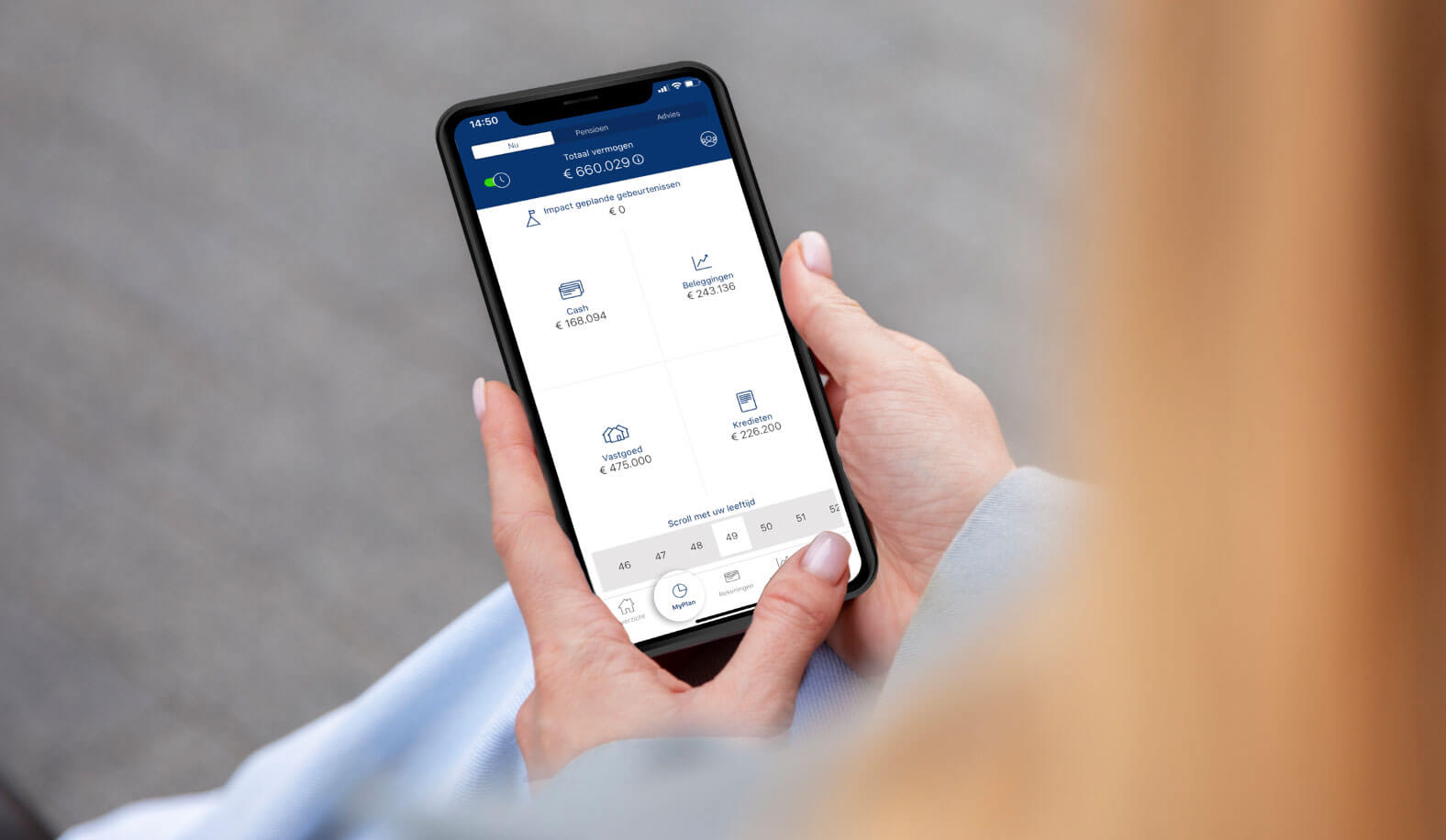
Traditional scoping often stops at documentation: user stories, wireframes and requirement lists. At Euricom, we take it one step further. In this first step, we translate your vision directly into multiple clickable prototypes, each exploring a different perspective on how the final product could work and feel.
What you get:
- A clear view of the project vision, goals, roles and high-level requirements
- Two to three clickable prototypes exploring different directions: not static mockups, but interactive versions that allow you to experience real user flows
- Immediate feedback from your stakeholders on something tangible, rather than a 40-page requirements document
- A shared decision on the direction that best fits your users, organisation and business case
Why prototype-first makes a difference:
- Faster alignment. One 20-minute demo with a clickable prototype can replace three workshops with wireframes. Everyone sees the same thing, everyone understands the same thing.
- Significantly lower risk. Mistakes in the concept phase take hours to fix. The same mistakes after development can take weeks. By experiencing the solution first, you uncover issues now that would otherwise only become apparent after the first release.
- Better requirements. Users can only provide concrete feedback when they have something they can interact with. Prototypes turn implicit expectations into explicit requirements.
- A stronger business case. With tangible prototypes, it becomes much easier to make the case for your project internally: to management, budget holders and end users.
This approach doesn’t just speed up the scoping process. It also makes steps 2 and 3 - evaluating solution strategies and designing the project - significantly more precise. You build on what actually works for your users, rather than what seemed plausible on paper.
More information about this approach can be found here.
2. Evaluating Solution Strategies
In this phase, we explore different solution approaches: a premium solution for maximum impact, a balanced plan for optimal results, and a cost-effective option. This gives us the flexibility to choose an approach that aligns with the specific needs of the project.
3. Project Design & Planning
Together, we develop the project approach, mapping out timelines and estimating the resources, costs and risks involved. We take variables such as the start date, available experts and any adjustments needed along the way into account, ensuring everything runs smoothly.
- A clear view of the project vision, goals, roles and high-level requirements
- Two to three clickable prototypes exploring different directions: not static mockups, but interactive versions that allow you to experience real user flows
- Immediate feedback from your stakeholders on something tangible, rather than a 40-page requirements document
- A shared decision on the direction that best fits your users, organisation and business case